












 Spanish News Today
 Alicante Today
 Andalucia Today


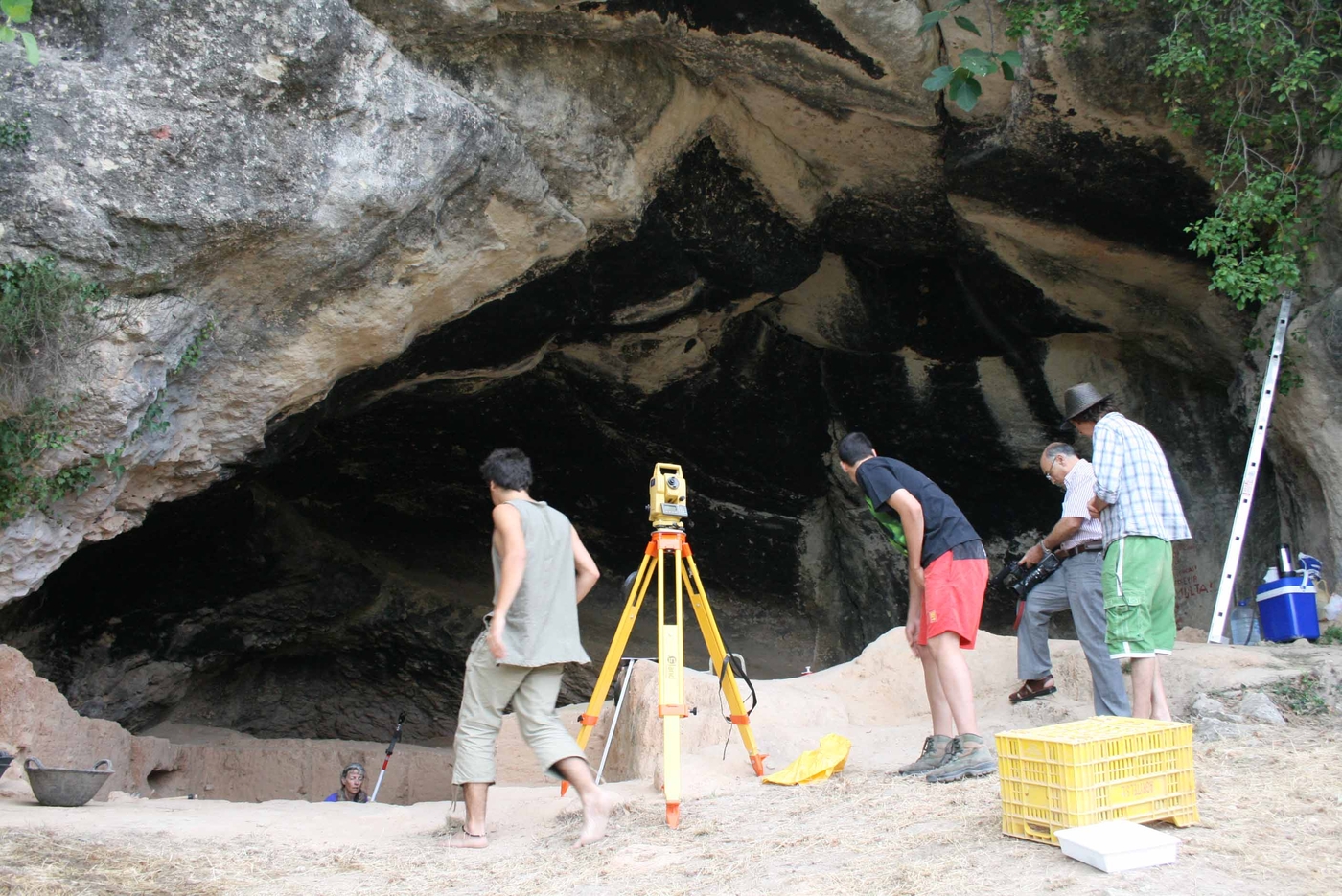
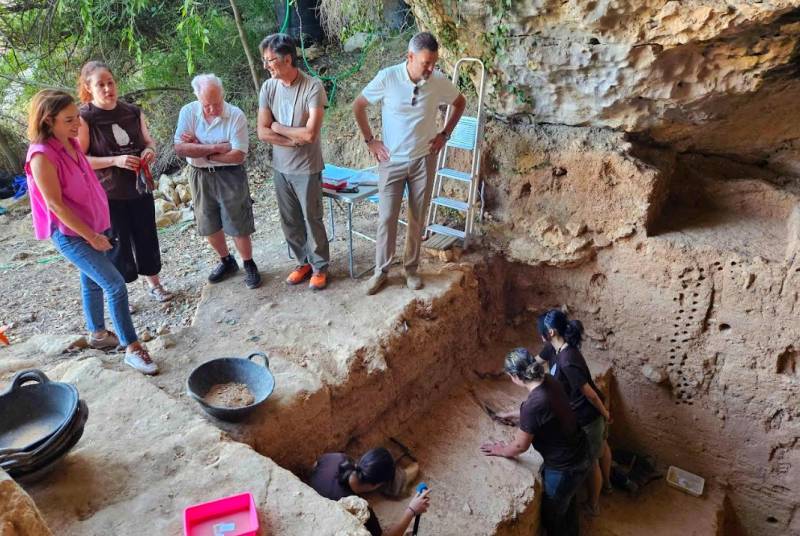 The 2026 palaeontological dig at the Cueva Negra site in the River Quípar gorge in the municipality of Caravaca de la Cruz has started this week and in just the first couple of days the participants have discovered the upper jawbone of an extinct species of bear which lived in the area hundreds of thousands of years ago.
The site of Cueva Negra contains one of the most complete records in modern-day Murcia of what the area was like between 800,000 and 900,000 years ago, during the Lower Palaeolithic, with a sequence of discoveries similar to that of the Gran Dolina in Atapuerca, in the northern Spanish province of Burgos. Leading investigations for many years has been Professor Michael J. Walker of the University of Murcia, and this year’s dig lasts until 15th July with the focus on further exploring the deepest recesses of the cave, where the remains of numerous extinct prehistoric mammals have been found.
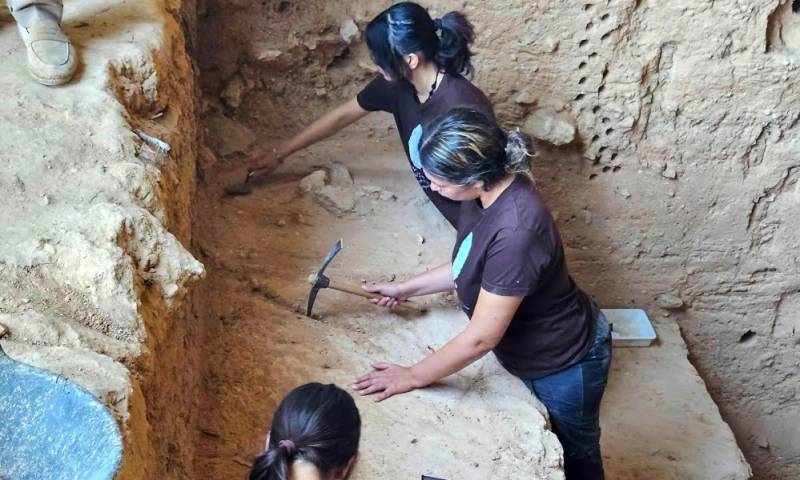 From the 1990s onwards thousands of remains have been found of mammals, reptiles, amphibians and birds, while among the most outstanding discoveries are evidence of the controlled fire by the distant ancestors of modern-day humans, as well as the use of stone tools. A stone axe is among the oldest artifacts ever found to date in the whole of Europe.
The site was visited on Tuesday 7th July by José Francisco García, the Mayor of Caravaca de la Cruz, backing up the support from the Town Hall which includes a grant of 10,000 euros per annual dig and the offer of the hostel of La Almudena for use by the research team.
Anyone who is interested should note that an open-doors day is being held on Sunday 12th July, when the investigators themselves will be showing the site to visitors at 10.30. The meeting point is the access road to the site from the village of La Encarnación.
For more local news, events and visiting information contact the local tourist office (telephone 968 702424) or go to the home page of Caravaca Today.
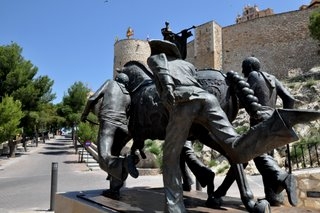 More information about the places of interest which can be visited in the municipality of Caravaca de la Cruz, along with what's on and local news can be found in the Caravaca Today.
Caravaca de la Cruz, in the north-west of the Region of Murcia, is one of only 5 Holy Cities in the Roman Catholic world, a centre of pilgrimage, along with Rome, Jerusalem, Santiago de Compostela and Santo Toribio de Liebana, and is home to the Cross of Caravaca, the Vera Cruz.
The status of Holy City was bestowed by Pope John Paul II in 1998, granting the City a Permanent Jubilee year every 7 years for perpetuity, the first one held in 2003 and the next in 2024.
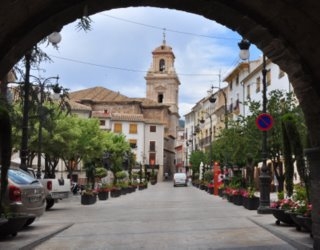
The strategic and natural advantages of Caravaca de la Cruz have attracted the attention of settlers for more than 800,000 years, the Cueva Negra yielding remains of Homo Heidelbergensis, forbears of the Neanderthals and the municipality also houses important archaeological remains from the Argaric, Iberian and Roman cultures. many of these can be seen in the Municipal Archaeological Museum.
 As a border town caught between the Catholic forces of Castille and the last remaining Moorish stronghold in Spain, Granada, Caravaca had a turbulent medieval history, but it was during this period that the legend of the Cross of Caravaca was born, bringing the religious orders which shaped the structure of Caravaca today, with its impressive hilltop castle and eclectic collection of churches and monasteries, religious tourism today being a backbone of the town´s economy.
Caravaca de la Cruz is a municipality with important natural resources, including extensive forests, part of which have protected status due to their wealth of flora and fauna, and due to the abundant water supplies is also a major area for canned fruit production, apricots in particular being an important crop.
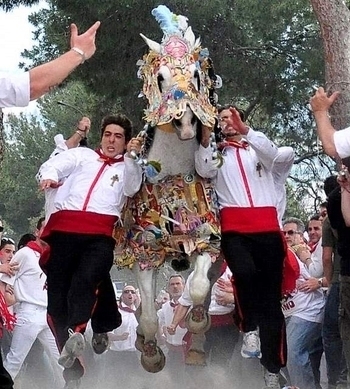
 Caravaca is renown for its important May Fiestas, held in honour of the Vera Cruz, which also incorporate the Moors and Christians celebrations and the Running of the Wine Horses.
Caravaca de la Cruz is also the home of Europe´s largest collection of ethnic instruments at Barranda, the Museo de Música Étnica Barranda and is the location of the Barranda festival de Cuadrillas, which celebrates the Region's ethnic music traditions.
The municipality is home to around 26,000 inhabitants and shares boundaries with Moratalla, Cehegín, Lorca, Puebla de Don Fadrique in the province of Granada and Vélez-Blanco in the province of Almería.
Tourist office opening times:
Weekdays: 10.00 to 14.00 and 16.30 to 19.30
Saturdays: 10.30 to 14.00 and 16.30 to 19.30
Sundays and public holidays: 10.30 to 14.00
Click for map, Caravaca de la Cruz Tourist Office